
Reiki
What is it
Reiki is an alternative therapy that consists of the therapist laying hands on the body to transfer energy. It is believed that in this way it is possible to align the body's energy centers, known as chakras, promoting energetic balance, necessary to maintain physical and mental well-being.
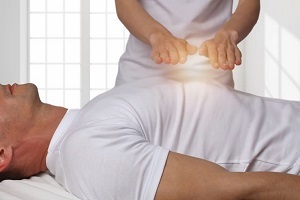
Before carrying out the Reiki session, the therapist of this technique, called a Reiki practitioner, will perform an energetic cleansing of the environment, so that a spirit and awareness of harmony and love is ensured. During the sessions, the Reiki practitioner will place his hands on a person's body with the aim of changing the oscillation or vibration of energies and this brings some proven benefits such as pain relief and reducing symptoms of anxiety and stress.
Indications
Reiki works as an integrative practice to balance parts of the physical and emotional body. According to master Eliana Zacariotti, eastern wisdom explains that energy is the basis of everything. In the body, it flows through energy channels, nourishes organs and cells and regulates vital functions.
According to Eliana, physical, mental and emotional illnesses or dysfunctions are energy flowing in the wrong way, stopped or blocked. Various factors such as stress, sedentary lifestyle, poor diet, insomnia, inadequate breathing, anxiety, grief, attachment, anger and low self-esteem are capable of interfering with the energy flow and, as a result, can cause physical or psychological disorders.
Therefore, Reiki serves to unblock this energy, regulating the flow and, consequently, restoring the balance necessary for health and well-being. With the application of universal energy to the body, the organism returns to functioning harmoniously, with activated glands, a revitalized nervous system and a strengthened immune system.
Benefits
Reduction of stress and anxiety: Reiki promotes relaxation and well-being, being effective in reducing symptoms of anxiety and stress, providing inner peace. Breathing and meditation techniques can be applied in everyday life during moments of greater tension.
Help in treating depression: Therapy can help alleviate the symptoms of depression, such as sadness and tiredness, by aligning the body's vital energy. It is important to consult a psychiatrist before starting Reiki, as drug treatment is usually necessary. Reiki can enhance the positive effects of medication.
Relief from chronic pain: The relaxation provided by Reiki helps reduce chronic pain, such as back pain and headaches, as well as relieving tension and muscle fatigue. This may reduce the need for painkillers and relaxants, but it is essential to continue medical monitoring.
Improves insomnia: Reiki increases the release of hormones such as serotonin and endorphins, helping to combat insomnia. Its relaxing effect also contributes to a more peaceful night's sleep.
Quality of life: Reiki promotes the release of emotional tensions, resulting in more hope, joy, peace and self-confidence. This improves disposition for daily activities and mental and physical health in general, contributing to a better quality of life.
Contraindications
There are no contraindications for Reiki and it can be applied to anyone of any age (babies, children, adults, elderly people). It can even be applied to plants and animals.
Furthermore, the practice of Reiki is safe and does not generate any side effects and is not linked to a religion, and can be accepted by people of different origins and beliefs.
However, it is worth noting that this practice should not replace treatments prescribed by a doctor, such as for depression, high blood pressure, diabetes or asthma, for example. Reiki should be used to alleviate mild problems, and as a way to help treat illnesses, and therefore, you should consult your general practitioner or the doctor who monitors the illness before starting this type of therapy.
How is done
Normally, the Reiki session can be performed with the person lying down or sitting. The therapist will bring his hands closer to or touch a key point on the body linked to the seven main chakras, transmitting energy in order to reestablish the energy flow of these points.
The session lasts about 1 hour and, during the period, the therapist passes his hands over vital points on the patient's body. Therapy can take place accompanied by relaxing music or in silence.
Peridity
What determines the necessary number of sessions is the degree of the problem the patient presents and their emotional commitment. Some people may receive Reiki once or twice a week, others every fifteen days or once a month.
Other patients may only do so in emergency moments, such as important decisions, new projects, when they need peace and balance to increase their creativity or due to lack of energy and indisposition.
Care
Reiki is an energy therapy that promotes physical, emotional and spiritual rebalancing through the laying on of hands. The technique works by harmonizing the energy centers (chakras), promoting deep relaxation, stress relief and a sense of well-being. After application, the body can continue to process the effects of the energy alignment for a few hours or days, and it is important to respect this moment of integration.
Avoid using makeup for 24 hours, especially if Reiki was applied to the face, to allow the skin to breathe free of chemical substances and better absorb the effects of the therapy.
Apply sunscreen and gentle moisturizers, as the skin, in a state of relaxation and greater permeability, responds better to natural and gentle care.
Do not use abrasive products, exfoliants or cosmetics with alcohol for 48 hours, as they can interfere with the energy field and cause unnecessary physical discomfort.
Stay in a calm environment, whenever possible, in the following hours, favoring the assimilation of the emotional and spiritual benefits of the practice.
Drink plenty of water to aid in the natural process of releasing toxins and stagnant emotions that may be mobilized during the session.
Allow yourself to observe your sensations and thoughts in the following days, as Reiki can bring inner clarity and important insights.
Comments
The main effects of Reiki are:
Promote deep relaxation of the body;
Stimulates the Immune System, making it better able to combat pathologies and increasing the body's ability to regenerate;
Free the individual from anxiety, stress, depression and tiredness;
Reduces the adverse effects of certain drugs, such as those used in chemotherapy sessions or enhances the beneficial effect of certain drugs;
Make the individual more self-aware and attentive;
Promote and facilitate healing.
It is important to note that Reiki is not a healing technique per se, rather it enhances the individual's own healing capabilities.
Reiki is performed with the patient dressed, sitting or lying down. The therapist brings his hands closer to pre-determined areas of the patient (head, torso, arms, legs, feet), without any manipulation or touching. Exceptionally, the Reiki practitioner can touch the individual at certain points where the individual feels pain, always respecting the individual's physical and emotional integrity and a strict code of ethics.
Estimated time
60 minutes