
Plasma Jet
What is it
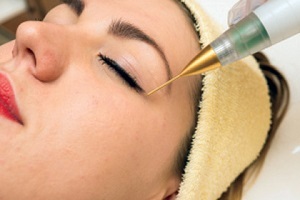
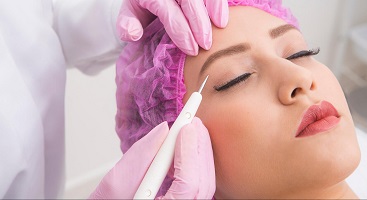
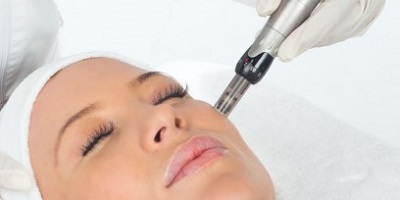
The plasma jet is an innovative treatment carried out with a revolutionary device from Europe, characterized by a plasma generator. Plasma is an ionized gas with ions and electrons and when heated and in contact with oxygen it produces plasma. This emitter of alternating or direct current electrical waves only reaches the stratum corneum of the epidermal tissue, causing no damage to the lower layers, hair follicles and other structures.
Indications
The application of the plasma jet is very precise and is ideal for treatments such as:
Solar melanosis or age spots, on any part of the body and face,
Removal of moles and warts, uncut blepharoplasty,
Treatment against wrinkles and expression lines promoting increased collagen and wrinkle contraction,
And also for stretch marks, freckles, moles, warts, moles, correction of scars, removal of micropigmentation, lightening of spots, sagging, etc.
Benefits
Stimulates collagen production, reduces wrinkles and blemishes, and improves skin firmness without the need for cuts or needles.
Contraindications
Like any procedure, it has its restrictions in cases of: pregnancy, diabetes, use of anticoagulants, cancer, history of keloids, viruses, dermatitis, fever, inflammatory processes, acute or chronic infections, open injuries.
How is done
During the procedure, electrocautery shoots jets of electrical energy into a dry magnetic field, in this case the skin, without requiring any conductive medium like plasma.
Peridity
The skin must wait approximately 30 days for the skin to completely heal, but it is possible to see instant results when applied, especially when applying to blemishes.
Care
Plasma Jet is an aesthetic procedure that uses a controlled electrical discharge (plasma) to promote skin retraction, stimulate collagen and treat sagging, fine wrinkles, blemishes and superficial lesions. It causes micro-lesions in the skin, forming small scabs that are part of the regeneration process. Therefore, post-procedure care is essential to avoid complications and ensure good results.
Avoid hot baths in the first 24 hours, as heat can aggravate local inflammation, increase sensitivity and delay the healing of micro-lesions.
Do not expose yourself to the sun for at least 48 hours (or as instructed by the professional), as the skin will be more sensitive and susceptible to hyperpigmentation.
Use sunscreen with a high SPF even indoors and reapply throughout the day, protecting the treated area from any UV radiation.
Keep the skin hydrated with gentle, fragrance-free products, preferably recommended by the professional, to promote healing and prevent dryness.
Do not remove any scabs that form — they are a natural part of the process and will fall off on their own within a few days. Removing them too early can cause blemishes or scars.
Avoid applying makeup to the area until all scabs have fallen off naturally and the skin has fully recovered.
Strictly follow the interval between treatments and respect your skin's individual recovery time.
Comments
No information.
Estimated time
60 minutes