
Skin Cleansing
What is it
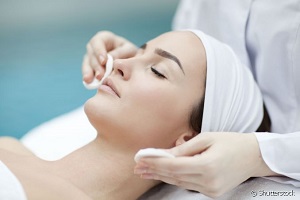
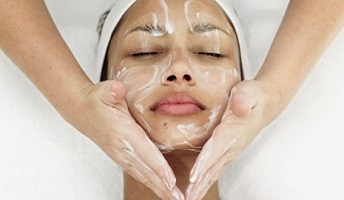
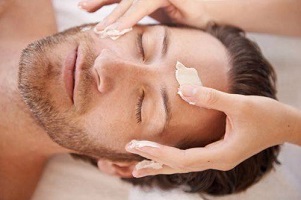
One of the most performed aesthetic treatments in the world, skin cleansing aims to remove blackheads and impurities, unclog pores and improve the skin's absorption capacity. Furthermore, skin cleansing also helps with oxygenation, hydration, nutrition and whitening, and can be applied to any skin tone.
Indications
Skin cleansing is mainly recommended for removing open blackheads (blackheads) or closed blackheads (whiteheads) and removing milia. It also serves to remove dead cells and keep the skin soft and healthy. All skin types receive this procedure very well. Properly carried out cleansing helps balance dry, normal, oily and combination skin. In addition to the face, it is possible to perform the procedure on any other part of the body, such as the neck and back.
Benefits
There are many benefits of deep skin cleansing. The consequences range from brighter, healthier-looking skin to the prevention of skin inflammation.
Among the advantages of skin cleansing, we highlight:
Preventing the appearance of blackheads and pimples;
Promotion of skin renewal and removal of dead cells;
Reduction of oil production in the skin;
Prevention of premature aging (wrinkles and expression lines);
Promoting skin detoxification;
Promoting the feeling of clean, smooth skin for longer;
Prevention of skin inflammation;
Improvement in blood circulation.
Contraindications
Professional skin cleansing should not be done on acne-prone skin when there are inflamed pimples with a yellowish appearance, as it can aggravate acne and harm the skin. In this case, the best option is to go to the dermatologist for treatment to eliminate pimples, which can be done with specific products to apply to the skin or medications to take. Furthermore, it should not be used on people with very sensitive skin, allergies, peeling or rosacea.
You should also not do deep cleansing when your skin is tanned because it can lead to dark spots on the skin. Anyone who is undergoing treatment with acids on the skin, such as chemical peeling or is using a cream that contains an acid, is also not recommended to cleanse the skin due to increased skin sensitivity.
How is done
Cleaning begins with hygiene to remove substances such as makeup, impurities and oil from the skin. Then, an exfoliation is performed to remove dead cells and facilitate the elimination of blackheads. After dilation of the pores, blackheads and keratin and sebum cysts are removed. To finish skin cleansing, a mask is applied to alleviate redness.
Peridity
The frequency of the procedure will depend on your skin's needs. However, people with dry and normal skin generally resort to the procedure every three months, while people with combination and oily skin can cleanse their skin every month.
Follow up with a specialized professional, who will assess your skin's needs, recommending the appropriate frequency for your case.
Care
Skin cleansing is an aesthetic procedure that removes impurities, blackheads, dead cells and excess oil, promoting cell renewal and skin balance. During the process, the skin may suffer slight aggressions (such as micro-injuries, extractions and the use of acids), becoming temporarily sensitive. Post-procedure care is essential to prevent infections, blemishes and ensure good recovery.
Avoid washing the treated area in the first 4 hours, allowing the skin to begin its natural regeneration process without external interference.
Do not use hot water or aggressive products (such as exfoliants, soaps with alcohol or astringents) in the first 24 to 48 hours.
Apply sunscreen with a high SPF daily and avoid direct sun exposure, especially in the first 48 hours, to prevent hyperpigmentation and irritation.
Do not wear makeup in the first 12 hours, as the pores will be dilated and more susceptible to infections or obstructions.
Moisturize your skin with gentle, soothing products, such as those containing aloe vera or panthenol, as recommended by your professional.
Avoid touching, squeezing, or scratching your skin in the following days, even if there is flaking or slight sensitivity — this is part of the skin renewal process.
Comments
The stages of Skin Cleansing are:
Sanitization: a degreasing cleaning product is used to eliminate all impurities and oil from the skin.
Exfoliation: then an exfoliation is carried out using products with an abrasive effect to remove dead skin cells. At this stage of skin cleansing, water vapor or ozone should be used to open the pores and facilitate the removal of blackheads.
Blackhead extraction: this is the stage in which the professional will eliminate blackheads from your face. It can be done manually, where the professional must use her own hands to remove the blackheads. However, removal must be done with the help of medical gauze, which avoids damage to the skin and minimizes pain during the procedure. Extraction can also be done with the help of a needle or even a device to suck out the blackheads.
Hydration: after extracting the blackheads, the skin is hydrated. At this stage, a product is used to soothe the skin on the face. This can be a mask or some cream or lotion with a calming effect.
Peeling: it is very common for beauty centers to clean the skin in conjunction with some type of peeling. This happens because immediately after the procedure the skin will be completely cleansed and the effects of the peeling will be enhanced.
Estimated time
60 minutes