
Facial microneedling
What is it
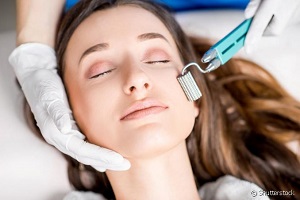
Microneedling is a treatment in which several sterilized surgical steel needles are used, which can even be arranged in a roll (which has, on average, 200 needles), to facilitate its application. This roller is applied to the skin, causing small punctures, which increase vasodilation, stimulate collagen formation and also increase the absorption of some medications directly into the skin, known as drug delivery.
Indications
Microneedling, when piercing the skin, causes the body to produce more collagen and elastin to restore the skin. These components are essential for the firmness of the skin and this production causes the entire structure of the skin to be remade, even reorganizing the internal fibers and thus reducing wrinkles, acne scars and bringing more vigor and firmness to the face and body.
Benefits
Reduces wrinkles, scars and blemishes by stimulating the production of collagen and elastin.
Contraindications
Uncontrolled diabetes or cancer and active skin lesions or diseases in the region to be treated are all contraindicated in microneedling. The procedure also cannot be done on people who still have acne or active herpes.
How is done
First, the anesthetic cream is applied, between 30 and 50 minutes before the procedure itself. Microneedling consists of applying microneedles to the skin, usually made of surgical steel or titanium, which can be arranged in a roller. The length of the needles can vary from 0.25 to 3 millimeters and have a diameter of up to 0.8 millimeters. It is estimated that a 3 mm needle, for example, penetrates 1.5 to 2 mm into the skin. The more needles there are per row in the device, the less penetration there is.
Peridity
In general, between three and four microneedling sessions are performed, with an interval of one month between them, to recover the skin.
Care
Facial microneedling is an aesthetic procedure that uses microneedles to create controlled perforations in the skin, promoting cell renewal and intense stimulation of collagen and elastin production. It is indicated for the treatment of acne scars, fine lines, blemishes and sagging skin. After the session, the skin enters an active regeneration process and requires rigorous care to avoid complications and maximize results.
Avoid touching, scratching or applying any product to the skin for the first 12 hours, to avoid introducing impurities into the open microchannels and to avoid irritation.
Do not use makeup, acids, soaps with alcohol or any cosmetics not recommended for at least 24 to 48 hours — the skin will be highly sensitized.
Keep the skin intensely hydrated with soothing and regenerating products recommended by the professional (such as hyaluronic acid, panthenol or thermal water).
Apply sunscreen with a high SPF (minimum 50) from the day after the procedure, even indoors, and reapply throughout the day.
Avoid sun exposure, excessive heat, saunas, intense physical exercise and hot baths for at least 72 hours, to avoid compromising recovery and preventing stains.
Do not remove any scabs or peeling: they are part of the natural healing process.
Maintain a light diet and adequate hydration to help the body in the regenerative process.
Comments
No information.
Estimated time
60 minutes