
Reflexology
What is it
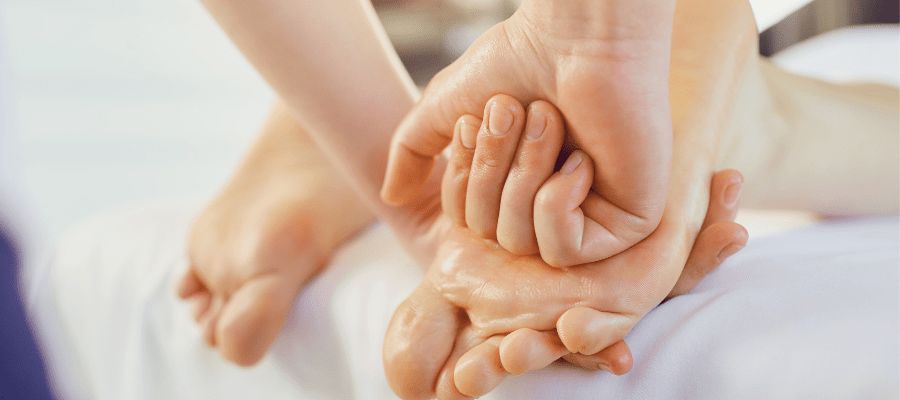
Reflexology is a massage technique that consists of applying pressure, with the fingers of your hands, on certain areas of the feet. These areas or points are where the nerve endings corresponding to each group of organs, or systems, in the body are located.
According to the Association of Reflexologists, in a reflexology treatment all systems are treated, creating the conditions for internal self-regulation processes to work. In other words, the body's own regeneration system is activated and it reaches its natural balance.
Indications
Reflexology has been widely used as a complementary therapy. The few studies on the practice indicate that foot massage provides good circulation, relaxation and comfort. According to experts, the idea is to activate the body's healing capacity, balancing body and mind to increase the patient's quality of life.
Benefits
Reflexology is a holistic therapy that looks at the organism as a whole. The first benefit is a feeling of great general well-being, in which the person feels pleasantly relaxed and, at the same time, with more energy and more power to concentrate.
Some commonly observed effects are:
Detoxified and revitalized organism;
Normalized bodily functions;
Improved blood circulation and lymphatic drainage;
Strengthening the immune and nervous systems;
Deep relaxation;
In the medium and long term, an increase in the level of confidence and self-esteem;
If the person feels agitated, they become calmer;
Greater control of stress, anxiety and depression;
A recent study by the University of Portsmouth concluded that in people undergoing reflexology treatments, chronic pain became 40% less intense.
Contraindications
This technique is excellent as there are no application restrictions. Anyone, whether a baby, pregnant woman or elderly person, benefits. Even people with cancer or other pathologies can use reflexology as palliative care.
How is done
Normally, the reflex therapist presses various areas of the foot with his thumb, looking for energy imbalances that can be manifested by sensitivity at the point or a sensation of sand beneath the skin. After finding the imbalance points, the therapist performs a small massage that stimulates the natural healing processes of the affected area.
Peridity
Reflexology can be applied frequently. In general, sessions are weekly for effective treatment, but, if available, it can be done whenever necessary. “For example, between one session and another, if the patient feels stressed, distressed, and comes to us, we can apply the technique”, he concluded.
Care
Reflexology is an integrative therapy based on applying pressure to specific points on the feet (or hands) that correspond to organs and systems of the body. Its goal is to promote energy balance, relieve tension, and stimulate the body's natural functioning. After the session, the body can begin detoxification and self-regulation processes, which requires attention to some simple precautions to maximize the benefits.
Avoid noisy, stressful environments or hectic activities in the following hours, allowing the body to assimilate the effects of reflexological stimulation and prolong the feeling of well-being.
Drink plenty of water throughout the day, as stimulating reflex points can mobilize toxins accumulated in the body, requiring good hydration to facilitate elimination.
Rest whenever you feel drowsy or deeply relaxed, as this is a natural response of the nervous system to the rebalancing promoted by the technique.
Avoid very heavy or processed foods in the following hours, prioritizing light meals that help with internal cleansing.
If sensations such as tingling, heat in the feet or an increased need to urinate arise, consider these to be normal physiological responses to reflexology.
Comments
Types of reflexology
There are three main types of this technique:
Foot reflexology: therapy performed on the sole of the foot, which helps relax the body, relieve pain and improve blood circulation. It is worth remembering that each point on the foot corresponds to an organ in the body.
Facial reflexology: therapy performed on the face, which, in addition to relaxing the facial muscles, helps reduce swelling and also improves blood circulation.
Hand reflexology: therapy performed on the palms of the hands, which helps balance the body and promotes physical and mental relaxation.
Estimated time
60 minutes