
Eyebrow micropigmentation
What is it
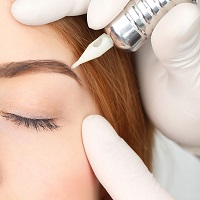
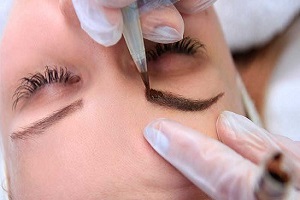
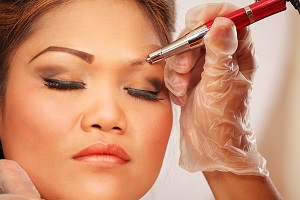
Micropigmentation is a technique that consists of filling in and designing the eyebrows to enhance the face, being able to cover flaws, lack of hair in the region and even fix that wrong removal when doing the eyebrows.
Indications
The technique is great for those who have flaws, scars or little or no hair in the region. Just like a tattoo, the person can see the design on the face before the needle comes into action, in order to approve it or request changes.
Benefits
No information.
Contraindications
Almost all women and men can undergo the technique, and it is contraindicated for those with diabetes, hemophilia, skin cancer, cold sores, topical allergies, physical urticaria (dermographism), pacemaker carriers, pregnant women and those prone to developing keloids.
How is done
The technique is performed using a device called a dermograph, which has a needle at its end, and consists of applying an anti-allergic glycerin-based pigment to the skin.
Peridity
Micropigmentation work lasts approximately 2 to 5 years, with a touch-up being necessary after this period.
Care
Eyebrow micropigmentation is a procedure that inserts pigment into the superficial layer of the skin, with the aim of correcting flaws, redefining the shape and enhancing facial expression. The technique requires rigorous post-procedure care to ensure good pigment fixation, prevent infections and achieve harmonious and long-lasting results.
Avoid exposure to the sun, wind and cold or dusty environments for the first 24 to 48 hours, as the skin will be sensitive and more susceptible to inflammation and loss of pigment.
Do not wet the area for at least 24 hours. Avoid steam, excessive sweat and contact with running water directly on the eyebrows.
Do not apply makeup, creams, acids, sunscreen or any cosmetics to the pigmented area until all scabs have come off naturally (usually between 7 and 10 days).
Apply only the healing ointment recommended by the professional, using a clean cotton swab and sanitized hands, using delicate movements.
Do not scratch, rub, remove or moisten the scabs that form — this can cause gaps, scars or changes in the final color of the pigment.
Avoid intense physical activity, very hot baths, saunas and sun exposure for at least 7 days.
Keep your body hydrated and your skin nourished, which helps in uniform healing and good pigment performance.
Schedule a touch-up between 30 and 45 days after the first session, which is essential to correct any gaps and even out the tone.
Comments
No information.
Estimated time
60 minutes