
Diamond peeling
What is it
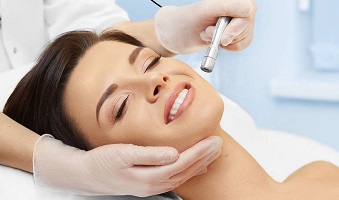
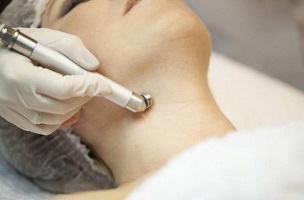
Diamond peeling is a physical peeling, that is, it uses equipment specifically designed for this purpose to promote micro-exfoliation of the skin. Among the main objectives of the procedure are the removal of dead cells that remain in the most superficial layer of the skin and the stimulation of collagen production.

Indications
Recommended to treat superficial spots - the so-called melanosis, which are located in the epidermis, the superficial layer of the skin. Diamond peeling promotes exfoliation of the epidermis, promoting the elimination of melanosis. There may also be improvement in acne scars, but as in this case the lesions are deeper, the improvement is more discreet - it occurs due to exfoliation of the skin and stimulation of the renewal of cells in the superficial layer, but it does not act deeply, where these lesions begin. Likewise, fine wrinkles are deeper marks and therefore have a discreet benefit. This occurs mainly when, together with diamond peeling, cosmetics are used that act to soften expression lines. Very open pores, when subjected to diamond peeling exfoliation, also decrease. This happens because the pores are cone-shaped, so the more skin is removed, the narrower they will become.
Benefits
Deep exfoliation that removes dead cells, evens out skin tone and stimulates cell renewal.
Contraindications
For sensitive skin or those with rosacea, diamond peeling and any other treatment that sands the skin are not good options, as there is a high risk of the skin becoming even more irritated. Skin with inflammation, such as yellowish acne, for example, should also not undergo the procedure because of the risk of increasing inflammation or even spreading microorganisms across the skin. If there are microlesions in other locations, new acne may appear.
How is done
No prior anesthesia is required. Initially, the skin is cleaned, then the diamond tip is applied to the treatment site. The professional makes movements in lines or circles on the skin. It is common for the professional to stretch the skin with their hands to allow the tip to treat the entire skin. The eye area should not be treated with suction and the lips should not receive peeling.
Peridity
The number of sessions varies from 3 to 5, depending on the case, every two weeks.
Care:
The patient must hydrate the skin for a week with moisturizers recommended by the doctor for the period after the peeling, in general these products also help with skin regeneration. Dermatologist Marcela Studart recommends using thermal water, whose main function is to calm the skin, as desired. The use of acids should only be resumed after seven days, as the skin will be sensitized. The face must be washed with neutral soap for a period of seven days after the procedure.
Care
Diamond peeling is a mechanical exfoliation procedure that uses a tip with diamond microparticles to remove dead cells from the surface layer of the skin. It promotes cell renewal, smoothes fine lines, and improves the texture and luminosity of the skin. Although it is considered a superficial and safe peeling, the skin is temporarily sensitized and requires specific care to avoid adverse reactions and enhance the results.
Avoid intense physical exertion in the first 24 hours, as the increase in body temperature and sweating can irritate the recently exfoliated skin.
Moisturize the treated area well with soothing lotions or regenerating creams recommended by the professional, helping to restore the skin barrier and reduce the sensation of tightness or sensitivity.
Do not use products with alcohol, acids, exfoliants or fragrances on the area for at least 48 hours, to avoid burning, redness or excessive flaking.
Avoid direct sun exposure for 48 hours and apply sunscreen with a high SPF even indoors or on cloudy days — your skin will be more vulnerable to blemishes and burns.
Don't wear makeup for the first 12 to 24 hours, allowing your skin to breathe and heal naturally.
Avoid scratching, rubbing, or removing any flaking or peeling skin that may appear — this is part of the cell renewal process.
Comments
No information.
Estimated time
60 minutes