
Stretch marks
What is it
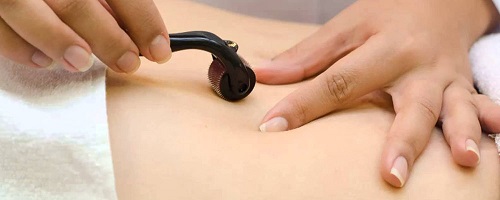
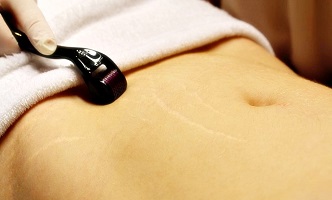
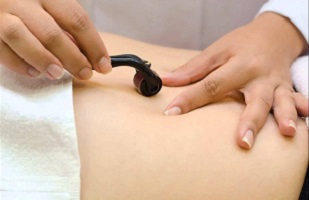
Microneedling is a treatment in which several sterilized surgical steel needles are used, which can even be arranged in a roll (which has, on average, 200 needles), to facilitate its application. This roller is applied to the skin, causing small punctures, which increase vasodilation, stimulate collagen formation and also increase the absorption of some medications directly into the skin, known as drug delivery.
Indications
For anti-stretch marks treatment.
Benefits
Stimulates cell renewal and collagen production, reducing the appearance of stretch marks and leaving the skin more uniform.
Contraindications
Patients with blood clotting problems, those using anticoagulants, people with uncontrolled diabetes or cancer and those with an active skin lesion or disease in the region to be treated are all contraindicated in undergoing microneedling. The procedure also cannot be done on people who still have acne or active herpes.
People prone to keloids should be evaluated, and may be contraindicated to microneedling in some regions of the body.
Microneedling is also contraindicated for those who have psoriasis or have used isotretinoin in the previous six months.
How is done
Back and forth movements are made with the device throughout the treated area. On average, 10 to 15 passes are made on the same plane and at least four crossings in the rolling area. There is bleeding that can also vary according to the thickness of the needle, but the bleeding stops after a few minutes.
Peridity
In general, between three and four microneedling sessions are performed, with an interval of one month between them, to recover the skin. But the number of sessions and intervals may vary according to the purpose of the treatment and the characteristics of the needle used. Each session lasts, on average, 30 minutes to an hour.
Care
Microneedling for stretch marks is an aesthetic procedure that uses very fine needles to cause controlled micro-injuries to the skin. This process stimulates the production of collagen and elastin, promoting skin regeneration and improving the appearance of stretch marks. Since it involves piercing the surface layer of the skin, post-procedure care is essential to avoid infections, blemishes and ensure good healing.
Avoid getting the treated area wet in the first 24 hours to prevent contamination, since the channels opened by the needle will still be in the initial phase of healing.
Do not apply makeup, perfumed creams, acids or any non-recommended product to the treated area during this period, to avoid irritation or allergic reactions.
Use only soothing products recommended by the professional, such as thermal water, aloe vera gel or specific healing creams, which help to calm the skin and speed up recovery.
Apply sunscreen with a high SPF to exposed areas (if the procedure was performed on the legs, arms or abdomen, for example), as the skin is prone to hyperpigmentation.
Avoid tight clothing, hot baths, gyms, saunas or sun exposure for at least 48 hours, as friction and excessive heat can compromise the natural inflammatory process and cause blemishes.
Watch for the appearance of scabs or mild redness — these are normal skin responses. Do not scratch or try to remove any flaking.
Drink plenty of water to help with tissue regeneration and the elimination of toxins mobilized during treatment.
Comments
No information.
Estimated time
60 minutes