
Lip micropigmentation
What is it
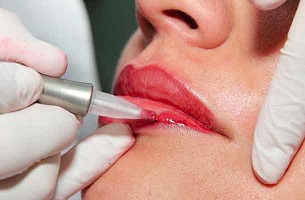
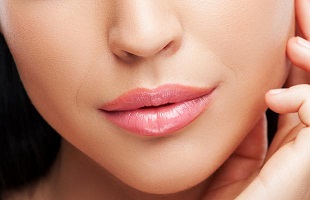
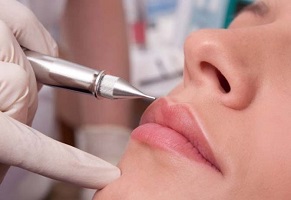
Lip micropigmentation is a superficial procedure similar to that performed on eyebrows. It redefines the contour and ensures natural lip color, which is why it has been sought after by those with thinner, colorless and undefined areas.
Indications
This technique has been highly sought after by people with very thin lips, without color or with scars. Furthermore, lip micropigmentation can be widely used to disguise the signs of aging.
Benefits
No information.
Contraindications
Almost all women and men can undergo the technique, and it is contraindicated for those with diabetes, hemophilia, skin cancer, cold sores, topical allergies, physical urticaria (dermographism), pacemaker carriers, pregnant women and those prone to developing keloids.
How is done
Lip micropigmentation uses the same materials as eyebrow micropigmentation, but the tone of the colors used are soft and suitable for the color of the lips, always taking into account the tone of the client's skin and lips. With lip micropigmentation it is possible to have a more defined, vibrant mouth with the desired tone, even eliminating the need for lipstick.
The lip micropigmentation procedure is very delicate and requires caution in its application, as lips are mobile structures that open the mouth to obtain food, where digestion begins, and also have the function of protecting against any foreign body or injury that may affect it. These facts justify why all pigment deposited in its semimucosa has its fixation compromised.
Peridity
No information.
Care
Lip micropigmentation is a procedure that applies pigment to the lining of the lips to enhance the contour, correct asymmetries and provide a natural and uniform color. The technique involves micro-perforations with a fine needle, which can cause swelling, sensitivity and the formation of scabs in the following days. The success of the healing process depends directly on the care taken after the procedure.
Avoid exposure to the sun, wind and excessive heat for at least 7 days. The skin on the lips will be sensitive and prone to darkening or irritation.
Do not apply lipstick, gloss or any lip makeup during the healing phase (usually between 5 and 10 days), to avoid contamination and rejection of the pigment.
Moisturize your lips frequently with the healing product recommended by the professional (such as Bepanthol, white petroleum jelly or a specific ointment), to prevent cracks and excessive flaking.
Avoid very hot, acidic, spicy or crunchy foods in the first few days, as they can cause burning, irritate the skin and compromise the pigmentation.
Do not scratch, rub or remove any scabs that may form — this can cause gaps, spots or scars.
Avoid kissing, swimming or engaging in activities that involve direct contact with the lip area while it is healing.
Drink plenty of water and keep your body hydrated, which helps the mucosa recover.
If you have a history of cold sores, strictly follow your doctor's advice regarding the use of preventive antivirals, as this procedure can reactivate the virus.
Comments
No information.
Estimated time
60 minutes