
Facial radio frequency
What is it
Radiofrequency has become a standard of aesthetic treatment with many indications, due to its versatility, effectiveness and safety. The technique works by generating heat in the tissue beneath the skin, which induces the production of new collagen fibers and improves the appearance of the skin. To do this, high-frequency currents are emitted, which have a voltage of approximately 30,000 to 40,000 Volts and a frequency of 1560 to 200 kilohertz.
Indications
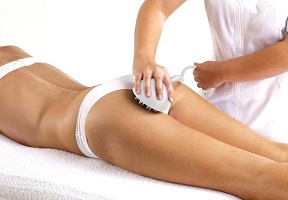
Among the most common indications for radiofrequency are: improving sagging skin, reducing wrinkles, reducing cellulite, treating acne scars and stretch marks.
Contraindications:
Any skin disease in the treated area, use of a pacemaker, defibrillator, or any electronic implant.
Benefits
Reduces wrinkles and improves skin firmness, promoting a natural rejuvenation effect.
Contraindications
No information.
How is done
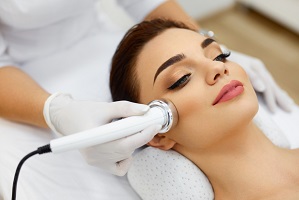
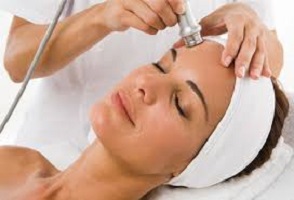
Initially the skin must be cleansed with water and soap or cleansing oil. Vaseline will then be applied to the area to be treated if it is part of the body or conduction gel when the treatment area is facial. Through applicators positioned on the skin, radiofrequency shots are performed on the treated area. Afterwards, the applied material is removed and the session ends.
Peridity
The frequencies of one weekly session every two or three weeks for the face must be respected.
Care
Facial radiofrequency is a non-invasive treatment that heats the deepest layers of the skin using electromagnetic waves, stimulating the production of collagen and elastin. It is recommended for combating sagging, improving facial contours and smoothing wrinkles. The heat generated can leave the skin sensitive and slightly red, which makes post-session care essential to ensure comfort and effectiveness.
Drinking plenty of water in the hours that follow helps eliminate toxins released during the treatment and enhances the skin's regenerative action.
Rest for at least 30 minutes after the session allows the body to stabilize its circulation and temperature, prolonging the therapeutic effects of deep heating.
Avoid direct sun exposure for 48 hours, as the treated skin may be sensitized and more vulnerable to UV radiation, increasing the risk of blemishes.
Apply facial sunscreen with a high SPF daily, even indoors, as thermal stimulation increases photosensitivity.
Do not use makeup or products with acids, alcohol or fragrances for 24 to 48 hours, to avoid inflammatory reactions or burning.
Use soothing or regenerating creams recommended by your professional, such as those containing aloe vera, panthenol or hyaluronic acid, to moisturize and soothe your skin.
Avoid exfoliation or aggressive cleansing in the following days, as your skin will be in an active process of cell renewal.
Comments
No information.
Estimated time
60 minutes